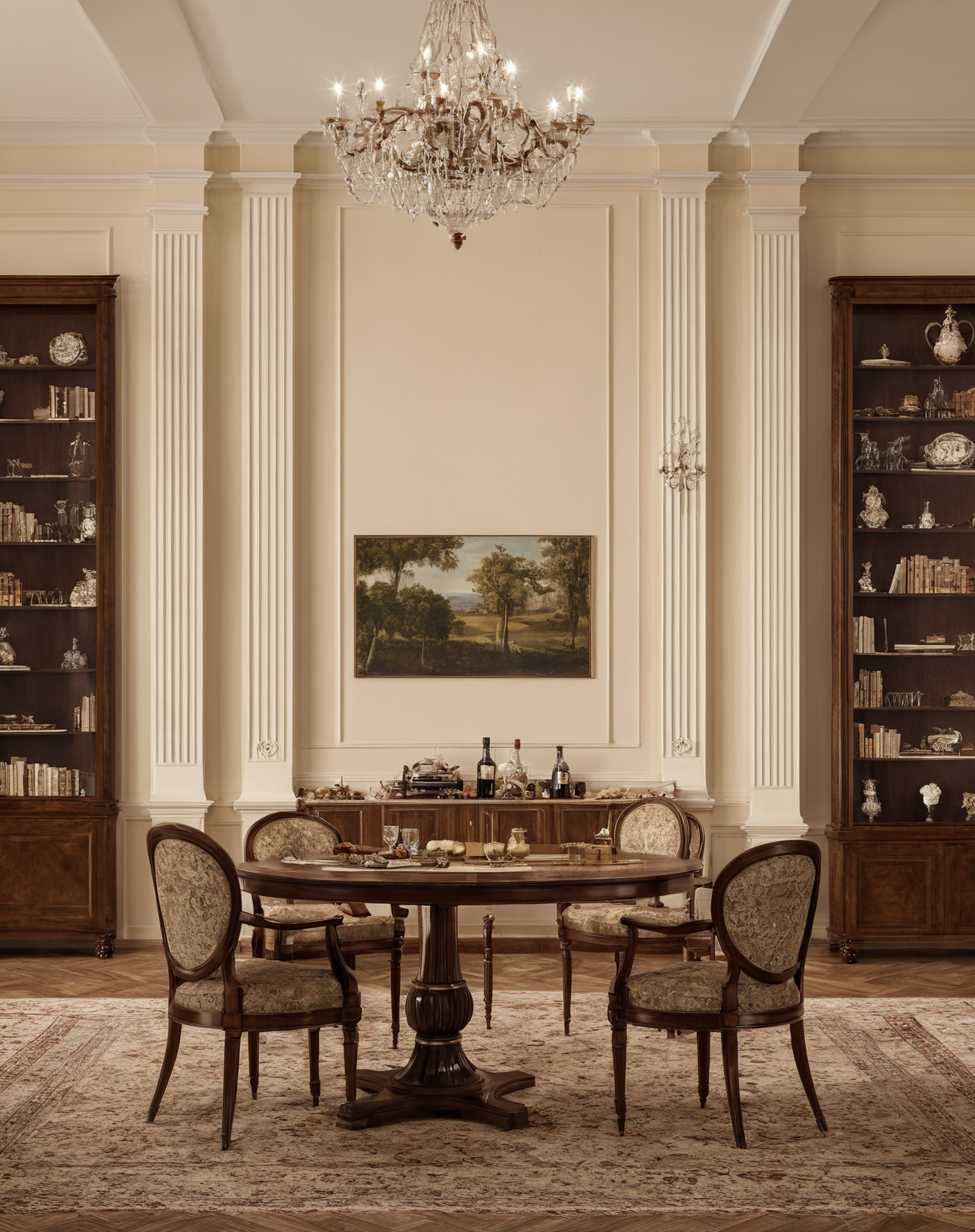
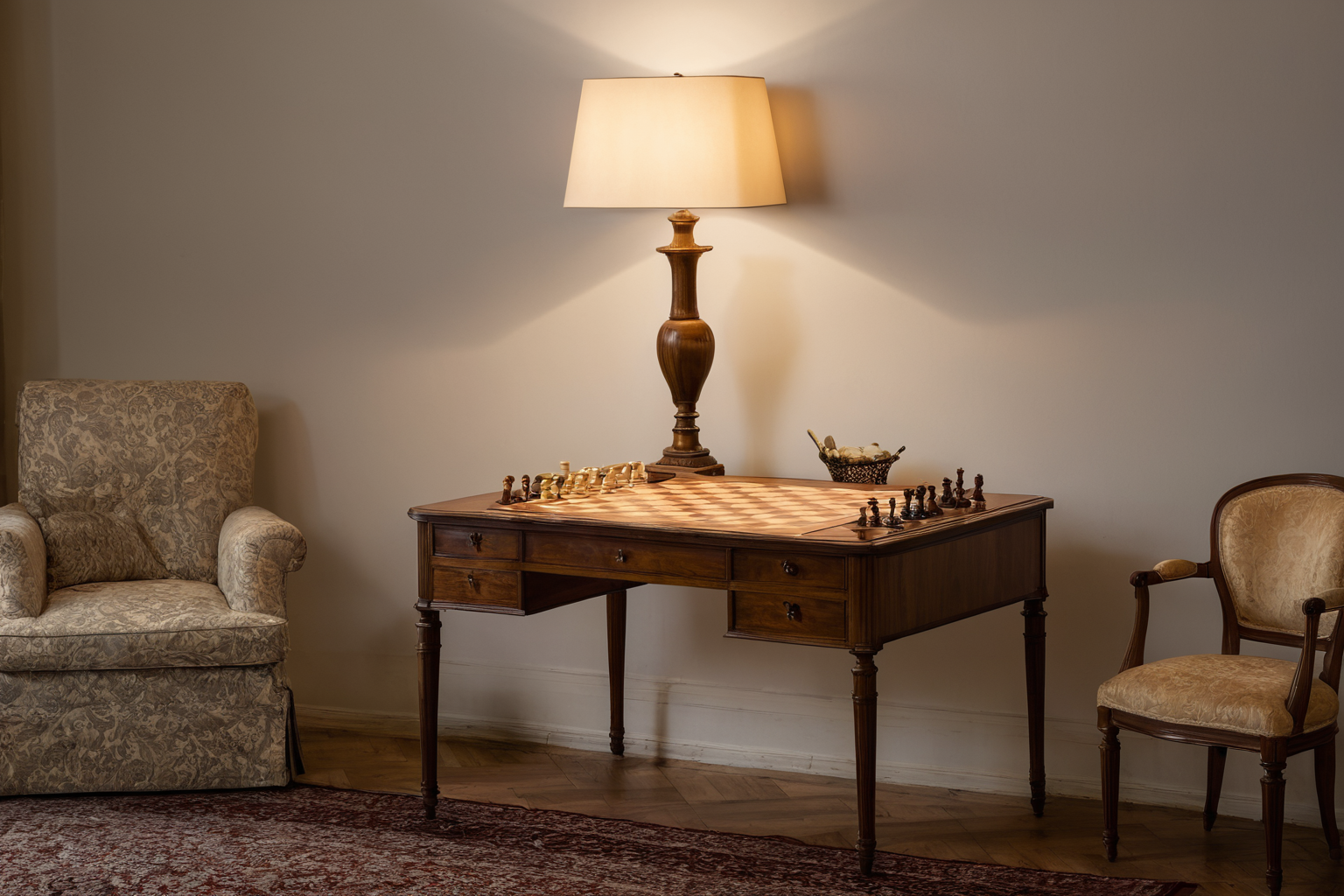
A chessboard, a card game, and a large map-based game use the surface differently. Some require a central board with pieces in reach; others need private hands, score sheets, or side trays. Test the game with its complete contents on a paper outline of the proposed table. The furniture should support play without requiring people to balance components on their knees or walk around the room for every turn.
What surface does the chosen game need?
Measure the game as it is played, including the board, pieces, card areas, and any player mats. Add the space each player needs for elbows and a drink. A table's outside dimensions do not equal its usable top when a wide carved edge, central inlay, or raised lip limits the flat area. The product drawing and a physical test give a better answer than a category label such as "game table." When ordering a classic table from Modenese Furniture, ask for the flat area inside any carved border, since that figure, not the overall size, decides whether the board fits.
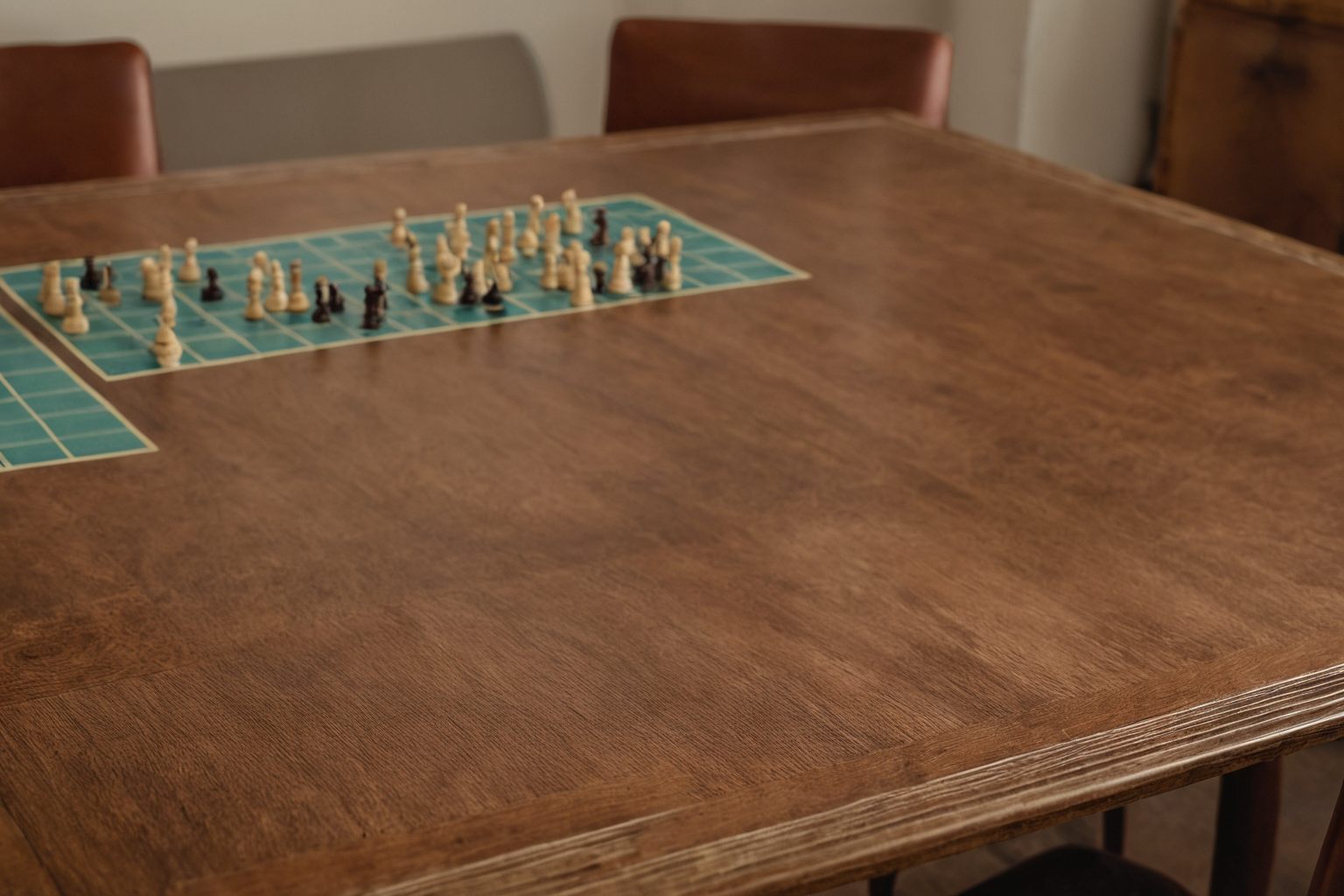
Games with many loose pieces benefit from a surface that keeps components visible. A highly reflective finish can make small printed details hard to read under a bright lamp. A removable mat may protect a delicate finish and keep pieces from sliding, but the mat must lie flat and leave enough room for the players' hands. A table used for other household tasks should be easy to clear without losing an unfinished game.
The idea of a game table serving more than one role is not new. The Metropolitan Museum of Art describes a David Roentgen table from about 1780–1783 that converted from console to card or chess table and then to a writing desk. The museum object record describes its spring-released backgammon box and separate storage compartments. The historical example is useful because it shows that storage and conversion were design tasks, not decorative afterthoughts.
How should seats relate to the table?
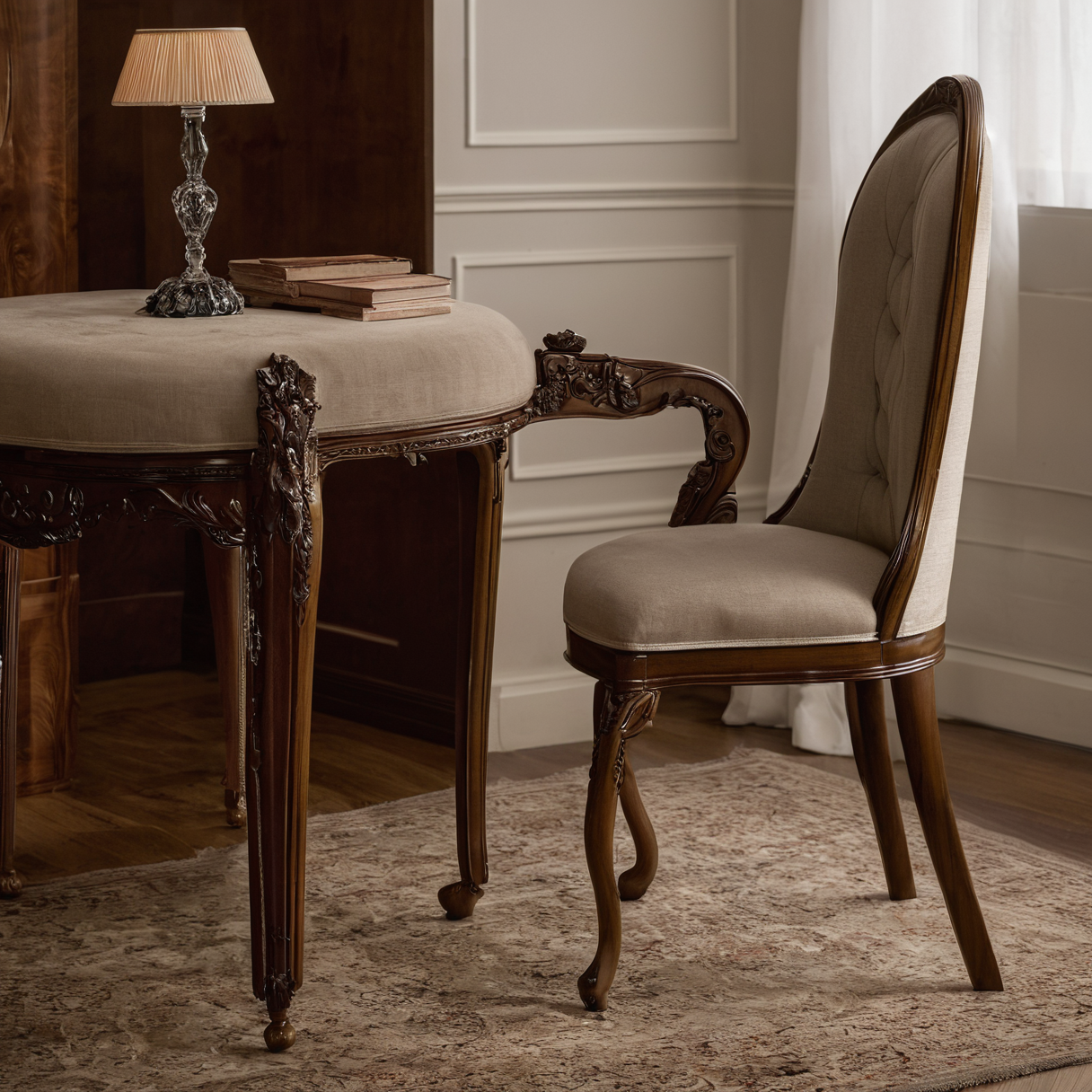
Seats should let each player see the shared surface, reach the center comfortably, and remain seated through the usual session. A dining chair may offer a more upright position for cards; an upholstered armchair may feel comfortable but place the player too far from the table. Check seat height, armrest clearance, and the distance from the chair to the playing edge together.
Draw each chair in both occupied and pulled-back positions. A room can hold four chairs at the table and still leave no path for someone to get up. Consider whether players need to stand to reach the central board. If a player must lean over another person's area, the table may be too deep or the seating plan may place too many people on one side. An extra side table is sometimes more useful than a larger central table.
For a player who uses a wheelchair, the relevant clear floor area and knee space must be considered for the particular table and room. The U.S. Access Board's covered-setting standard describes a 30 by 48-inch clear floor space for a stationary wheelchair user. Those legal criteria do not automatically govern a private living room, but they illustrate why a table's underside and approach can be more important than its top size.
When is a separate game table better than the coffee table?
A separate game table is useful when the coffee table is too low, the seating is too far back, or a game frequently stays in progress across several days. A low table can encourage players to lean forward for long periods. A table placed at a usable seated height can also keep pieces away from foot traffic and pets. The choice depends on the household's game habits and available floor space.
A dedicated table needs a location outside the main walking route. Test its full setup with chairs, not just the table alone. If the room is compact, a table that folds, extends, or converts may preserve floor space between sessions. The Metropolitan Museum of Art's Roentgen example demonstrates how a console function can coexist with a playing function, though a modern household should assess hinges, stability, and the available working surface on the specific model it chooses.
A coffee table can work for short, compact games when players can comfortably reach the board from their existing seats. Do not choose a new piece solely because a game box looks large. Put the board and components on the existing table and note what fails: reach, glare, storage, height, or surface area. A precise problem suggests a precise furniture response.
| Observed problem | Likely spatial cause | Test before buying |
|---|---|---|
| Pieces fall near the edge | Usable top is smaller than outside dimensions. | Lay out the full game on a measured template. |
| Players lean far forward | Table height or chair distance is mismatched. | Sit for a typical session at a similar setup. |
| Chairs block the room | Pulled-back positions were omitted. | Mark occupied and exit positions on the plan. |
| Game cannot stay set up | Shared surface has competing uses. | Consider separate storage or a dedicated table. |
What lighting helps people read the board?
Lighting should make printed information legible without sending a bright reflection from the tabletop into players' eyes. Test the intended surface under the room's actual lamps at the time games are usually played. A ceiling light may illuminate the center but leave player cards in shadow. A table lamp can solve that problem if it does not take away the space needed for play.
Check the lamp's position from every seat. A single directional source may cast a player's shadow over the board. Several softer sources can reduce contrast, but adding lights should follow a real test with the game rather than a generic brightness target. Printed games vary in type size and color, and some players need stronger task light than others. Avoid a lamp cord crossing the chair path.
Surface color also affects visibility. Pale pieces can disappear on a pale field, and dark components can merge with a dark finish. A removable play mat with suitable contrast can preserve the table's finish without committing the room to a permanent game-specific top. The mat should be washable or replaceable if snacks and drinks are part of the session.
How should games and accessories be stored?
Storage should protect complete sets and allow a game to be retrieved without emptying a shelf. Measure the largest boxes before choosing cabinet depth. Keep small loose pieces in their own containers inside the box, and reserve a place for score sheets, pencils, and replacement supplies. A cabinet near the table reduces the setup time that often determines whether the table is actually used.
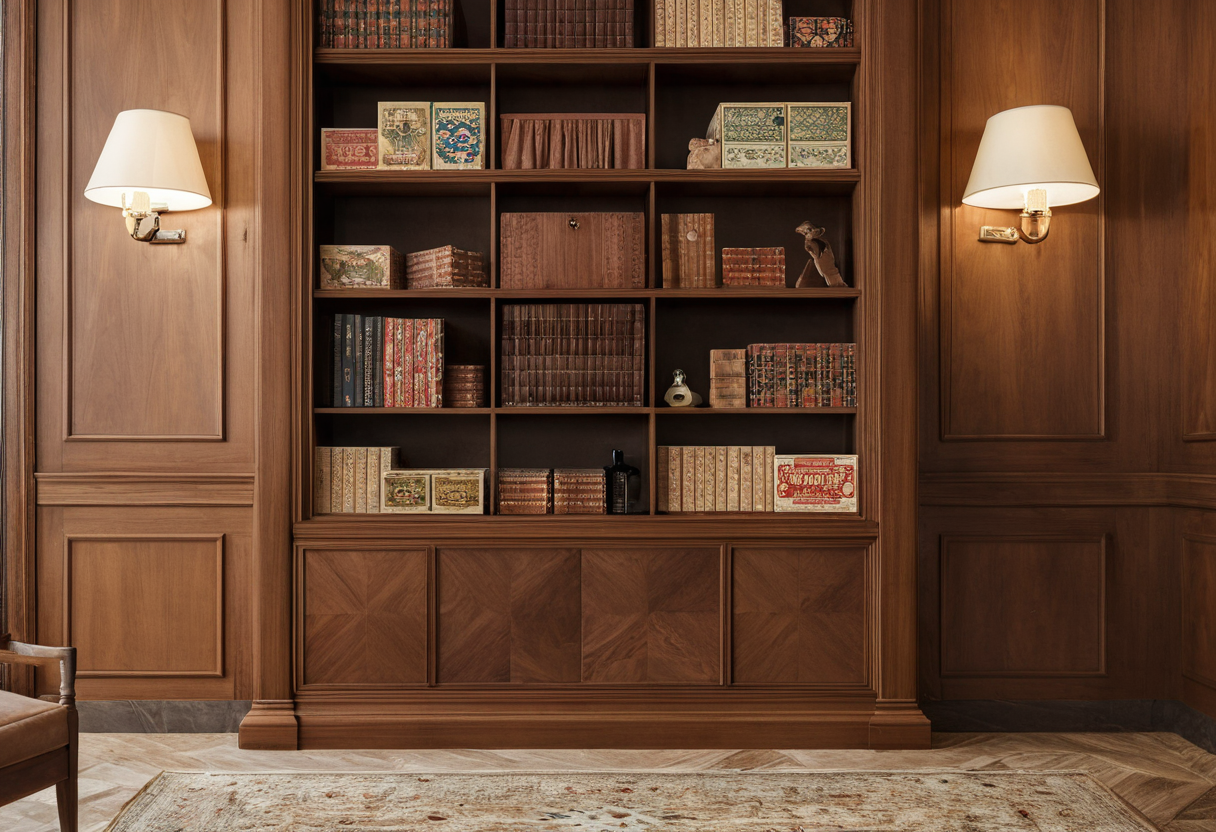
A display shelf may suit attractive boxes, but open storage exposes items to dust and sunlight. The Canadian Conservation Institute's furniture care guidance also warns that direct sunlight and water can damage wooden furniture finishes. The storage and table plan should therefore consider the window and drinks as well as the look of the furniture. A coaster or removable tray is a small practical accessory, not a substitute for an appropriate surface.
Decide where an unfinished game can rest. Some households can leave a board on a dedicated table; others need a rigid tray that moves to a cabinet. If a table has drawers, check that the drawers can hold the actual accessories and open when players are seated. Historic multifunctional tables demonstrate the appeal of hidden storage, but a modern drawer is useful only if it fits the game pieces being stored.
What should be tested before the table is ordered?
Make a full-size paper outline of the proposed usable top. Put the complete game on it and seat the expected number of players around it. Mark chair movement, the path to the door, lamp position, and storage access. The test will reveal whether the problem is surface area, table height, reach, glare, or circulation.
Then compare the exact furniture specifications with the room survey and delivery route. A table can be beautifully made and still fail the household's main game. The right choice allows people to play, pause, clear, and return to the room's other uses without treating the furniture as an obstacle.