Organising an analogue tabletop session at home often begins with understanding how a game divides its playing surface. When preparing for a round of Patchwork, published by Lookout Spiele, the official illustrated rules provide a clear diagram of the setup. The publisher’s setup drawing marks places for shared and personal components. Reading this illustration allows you to arrange your own household table accordingly.
The Central Time Board
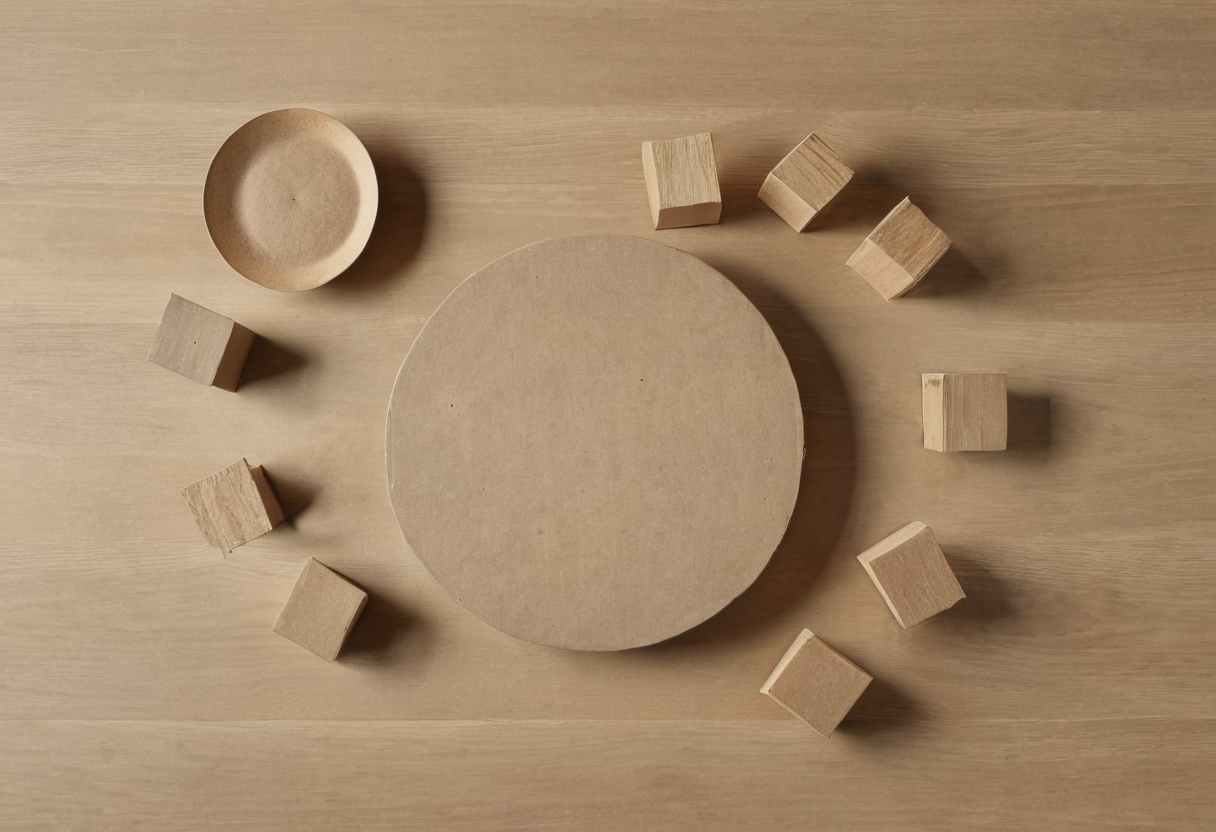
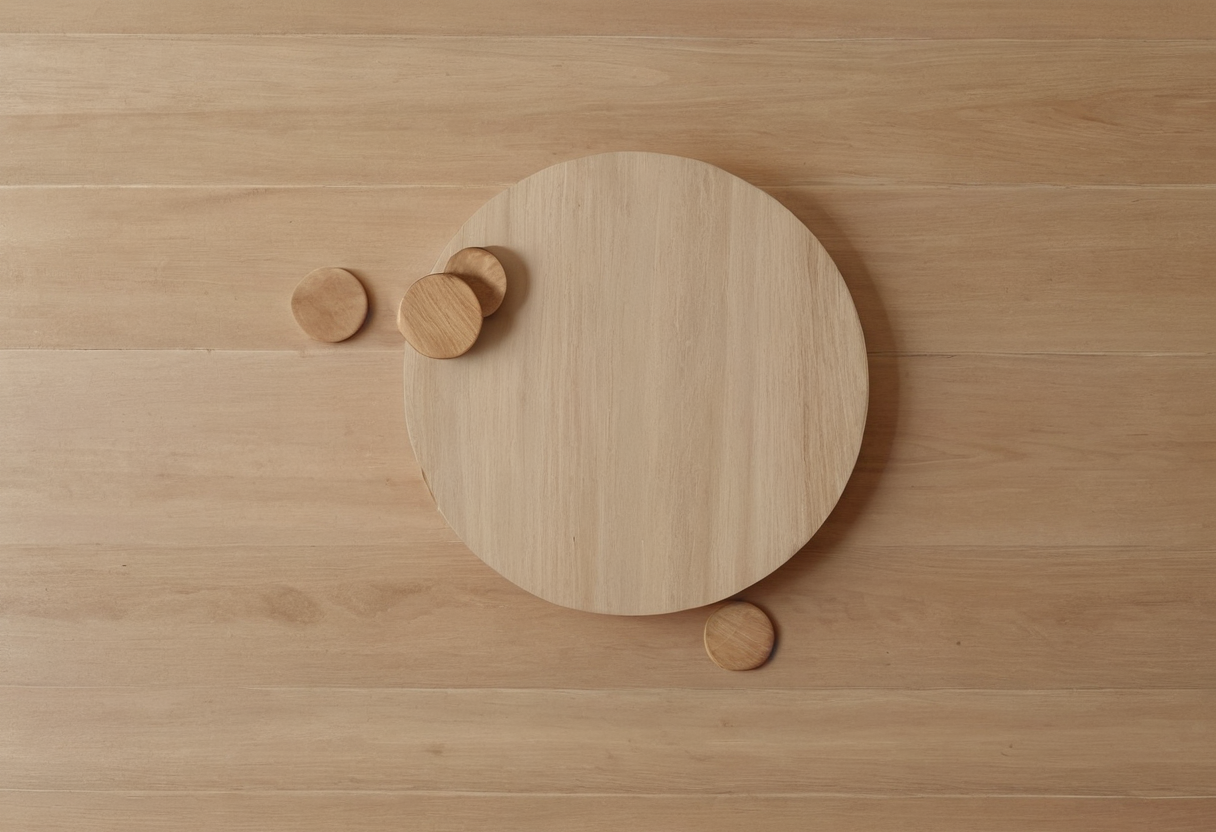
According to the publisher-hosted setup illustration, the time board occupies the centre of the table. This central zone acts as the primary reference point for the entire session. The diagram labels this position explicitly, establishing it as the anchor around which all other elements are arranged. Identifying a central spot for this board on your dining or coffee table creates the foundation for the rest of the layout. You might find a separate reading of a CATAN 3D board and its shared pieces useful for a different tabletop layout.
The Shared Circle of Patches
Surrounding the central time board, the rules illustration depicts the regular patches forming a circle or oval. This shared zone contains the patch tiles both players will choose throughout the game. The diagram shows these patches arranged continuously around the time board, creating a distinct ring. Reading this setup means recognising that the patches belong to a communal area rather than any individual player. You simply place the tiles in a loop around the centre, following the shape suggested by the illustration. For a different boardless game, our article on Hive Pocket’s listed pieces and bag examines the published contents.
Personal Quilt Boards and Buttons
The setup diagram separates the shared central area from each player's personal zone. Each participant receives their own quilt board, a time token, and five buttons at the start of the session. Furthermore, the rules state that the remaining buttons should be placed on the table close at hand, forming another area on the table. This distinction between the shared circle, the central board, and the personal quilt boards is clearly mapped out in the publisher's schematic.
Reading Zones Without Measurements
The illustrated rules do not provide scaled distances or specify a required table size. The diagram functions purely as a relational map, showing which components sit next to one another and which remain separate. When translating this to your home, you are simply identifying zones: a middle zone for the time board, a surrounding ring for the patches, outer areas for the quilt boards, and a nearby spot for the button supply. You arrange the zones based on the relationships shown in the official documentation, adapting them to the table you have available.
- Place the time board in the centre of your chosen table.
- Arrange the regular patches in a circle or oval around the time board.
- Give each player their quilt board, time token, and five buttons.
- Keep the remaining buttons near the table as a shared supply.
Round discs, fabric swatches and cardboard squares