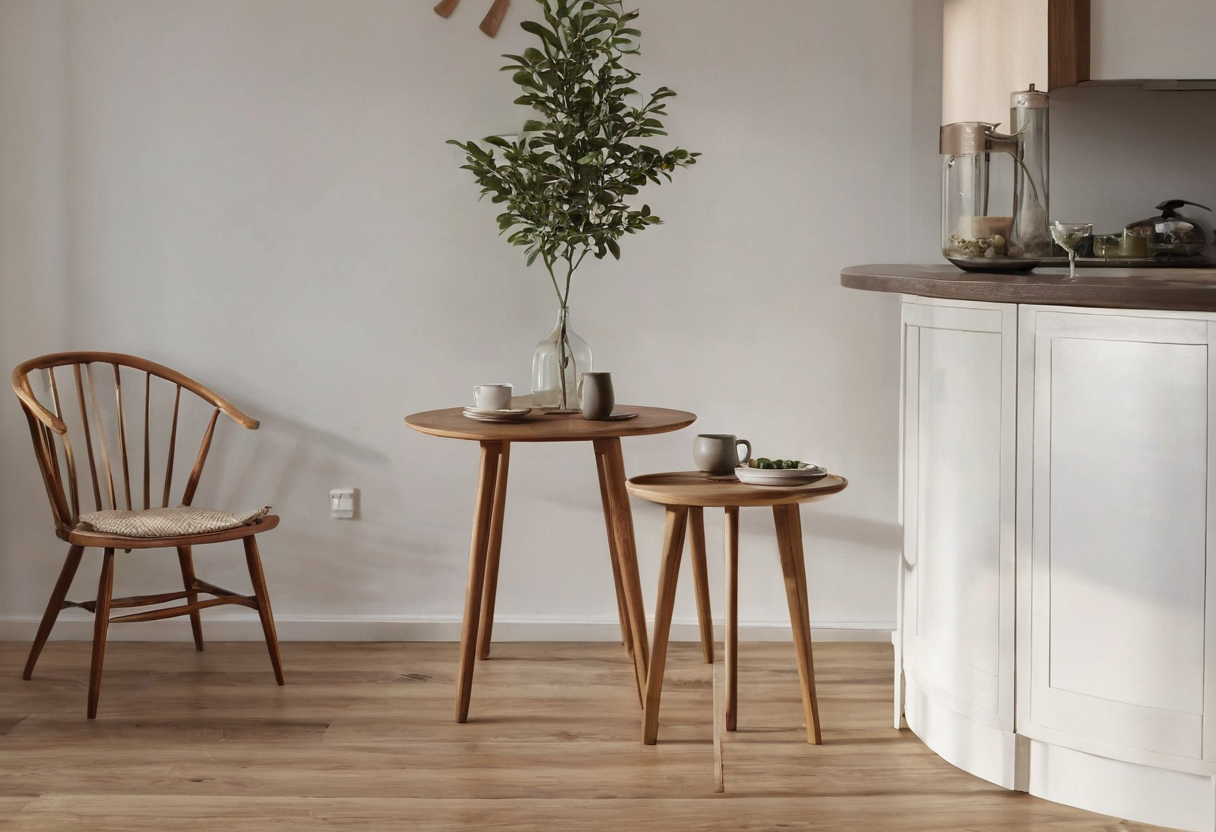
Why Separate Your Drinks
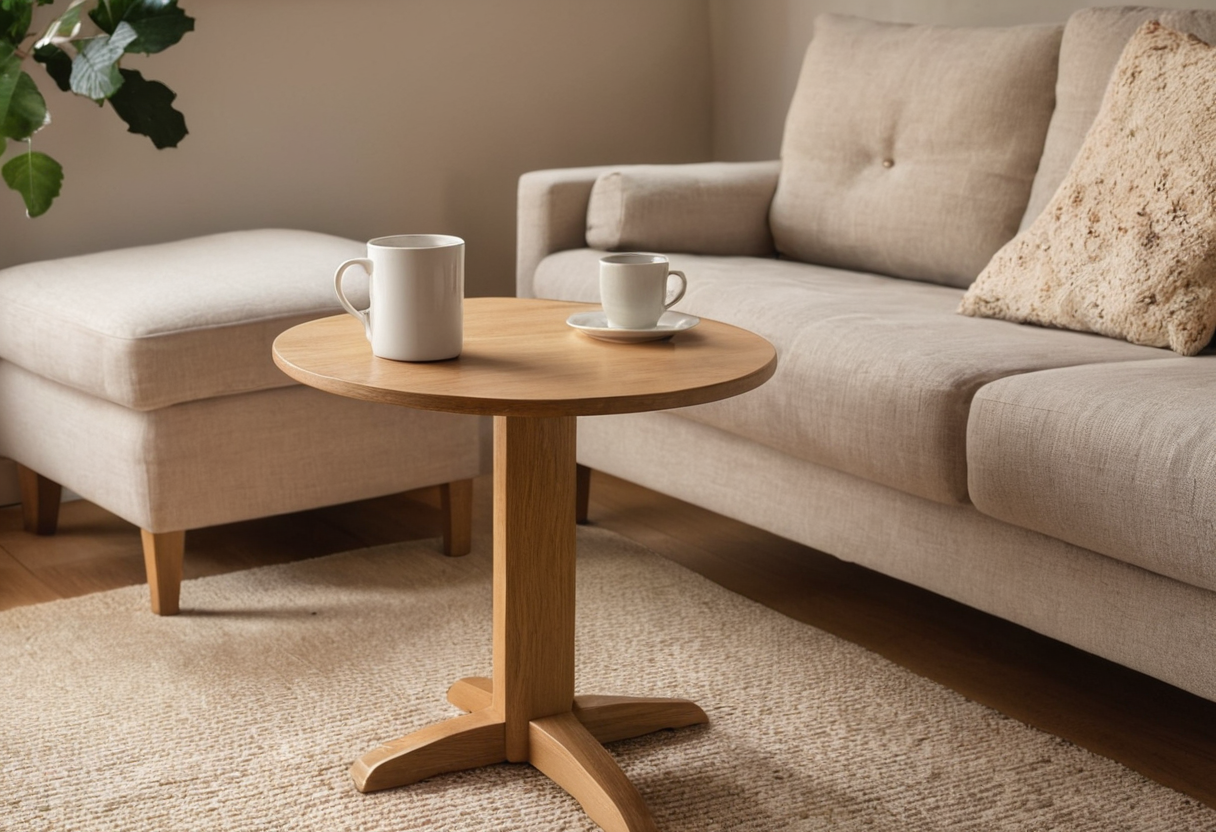
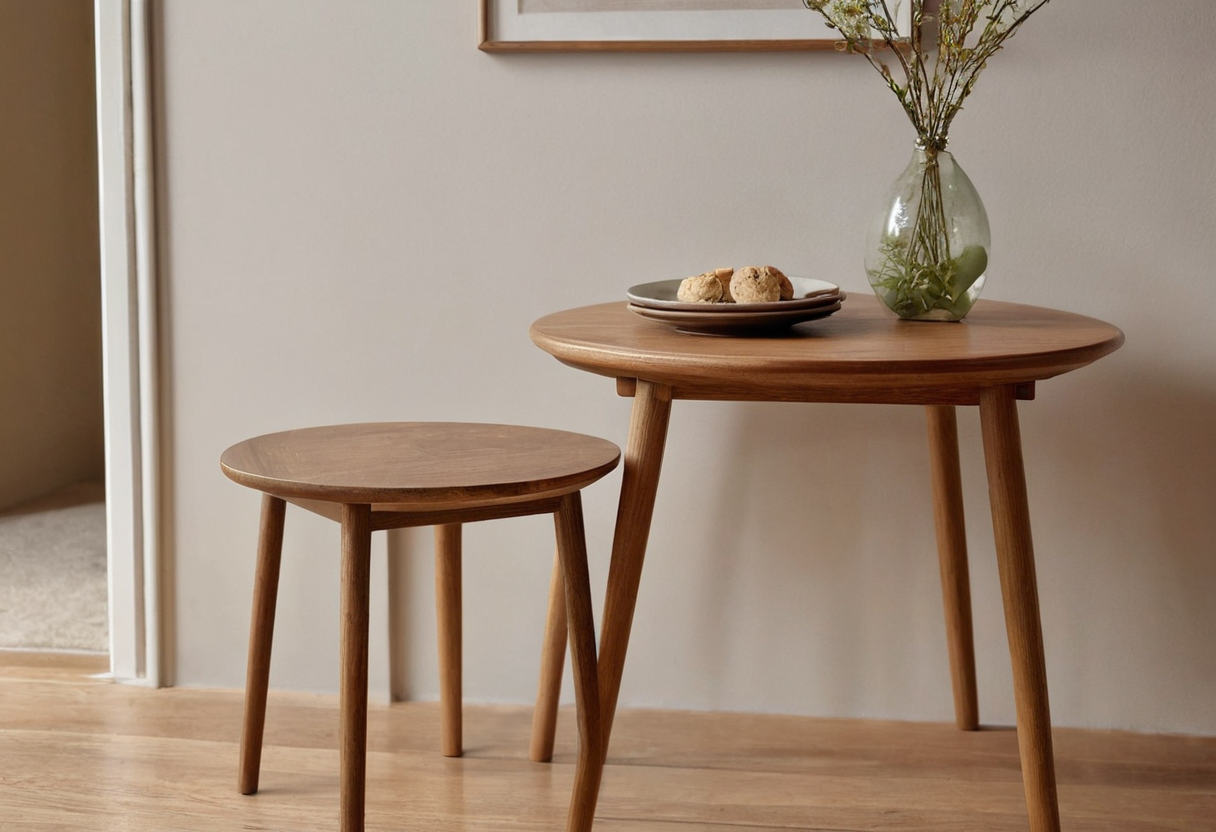
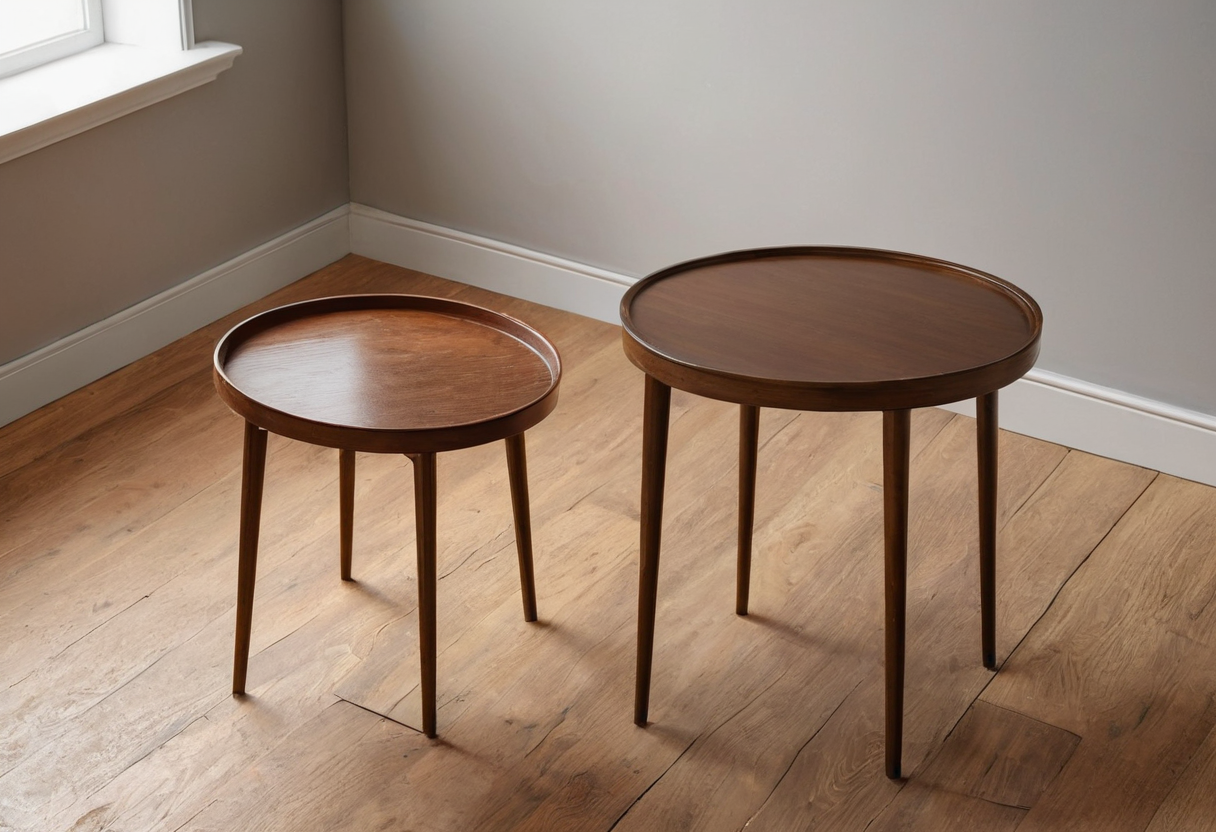
When setting up a board game, the central table quickly fills with components. As discussed in our piece on table footprint planning, managing the layout of cards, tokens, and boards requires careful attention to available space. Adding open cups or glasses to that same surface introduces an element many players prefer to avoid. Moving drinks to a dedicated secondary surface keeps the primary area clear for gameplay.
Checking Published Specifications
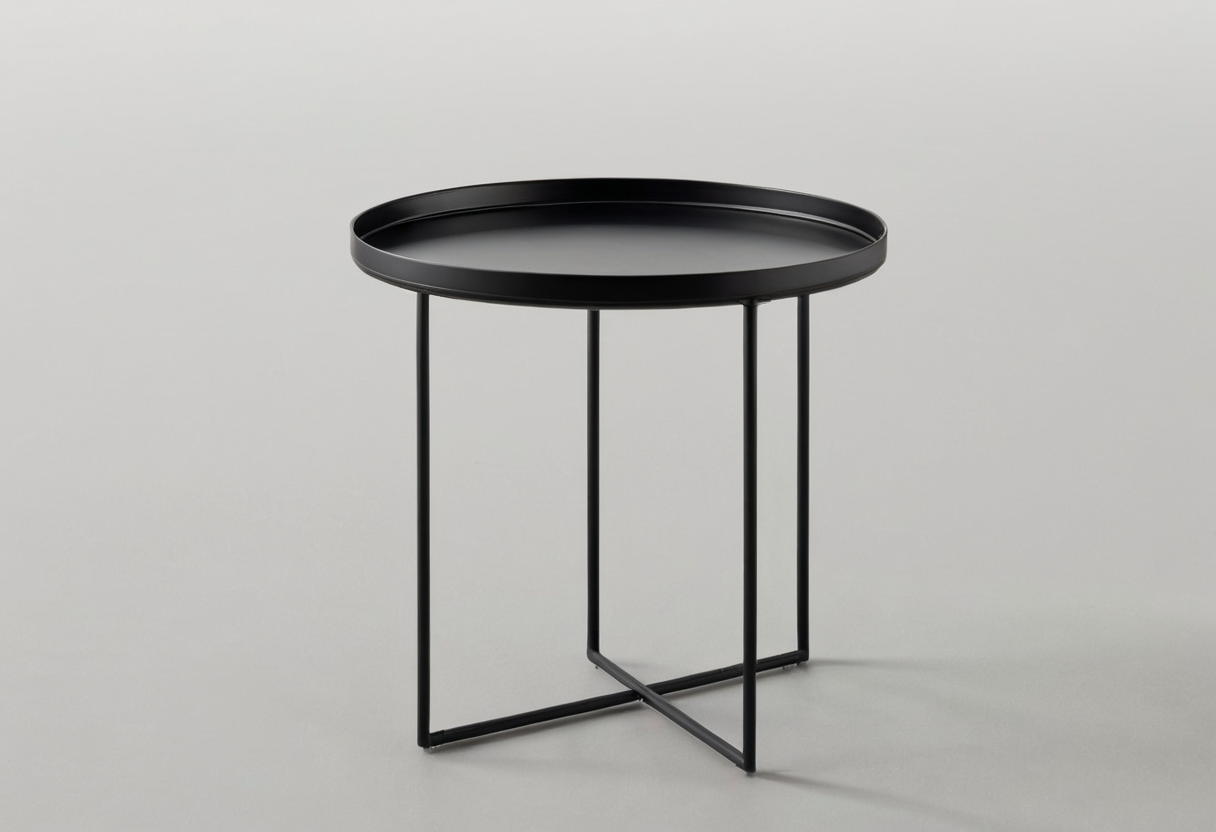
To understand what a small secondary surface might look like, we can examine published product details. The IKEA UAE website lists the GLADOM black tray table (item 504.119.90) with a height of 53 cm and a diameter of 45 cm. The page notes that the top functions as a removable tray. The maker's photograph shows a glass resting on this table beside a sofa. These specifications describe the size of this particular table.
Evaluating Your Own Room
Before placing any additional furniture near your gaming setup, check your actual table and chair arrangement. Measure the floor space around your main table where chairs are positioned. Observe how players pull their seats back to stand up or sit down. Note whether a secondary table sits outside these movement paths. Consider how other objects interact with your table edges, much like positioning lighting described in our guide to task lamp placement.
Reach and Access
A separate drink surface should be reachable from a seated position without requiring a player to stretch awkwardly across the game board or lean heavily against the main table. Check whether a seated player can reach the top of a 53 cm high surface whilst remaining in their chair. The 45 cm diameter provides a defined circular boundary; verify that this footprint does not block access routes between chairs or doorways in your specific room.
Practical Considerations
Using a separate table changes how players interact with their environment during a session. Every room layout, chair style, and player habit differs. Assess your own space, observe how people move during a game, and decide if a secondary surface integrates smoothly into your routine without obstructing play.