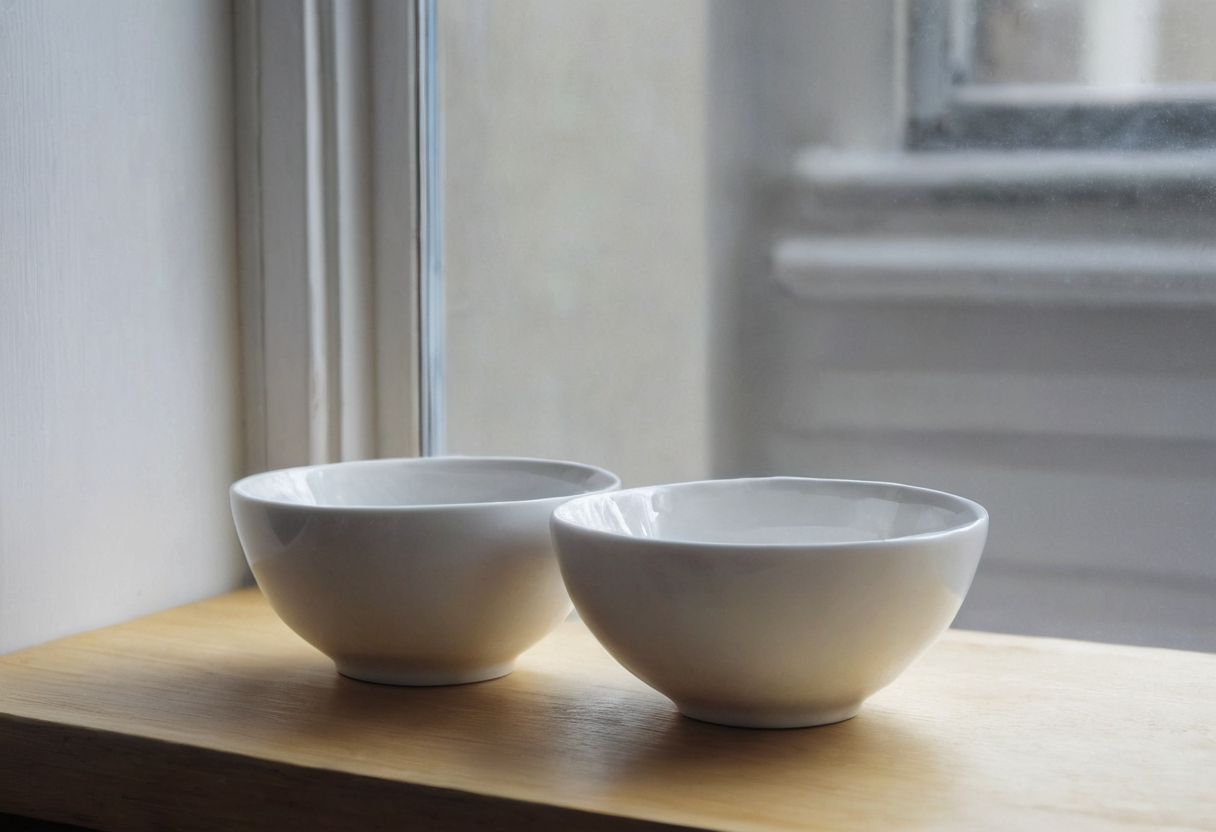
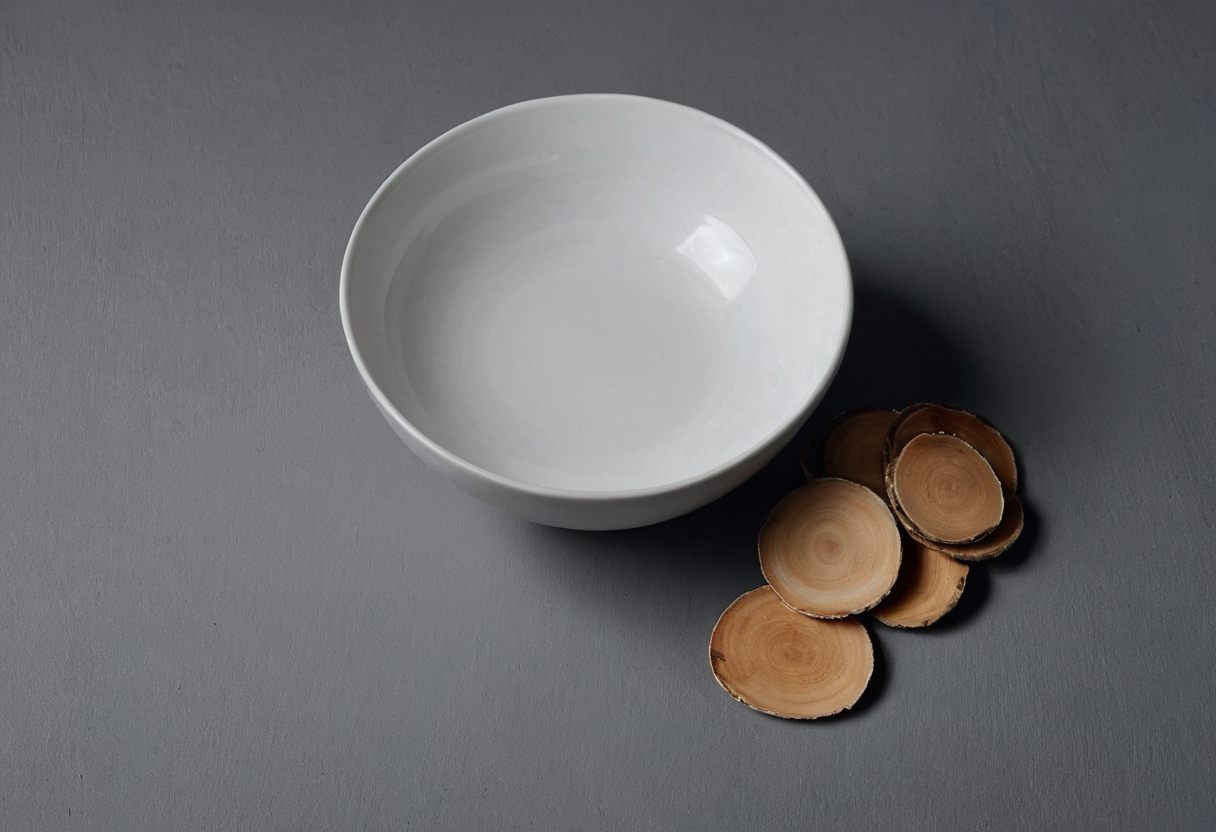
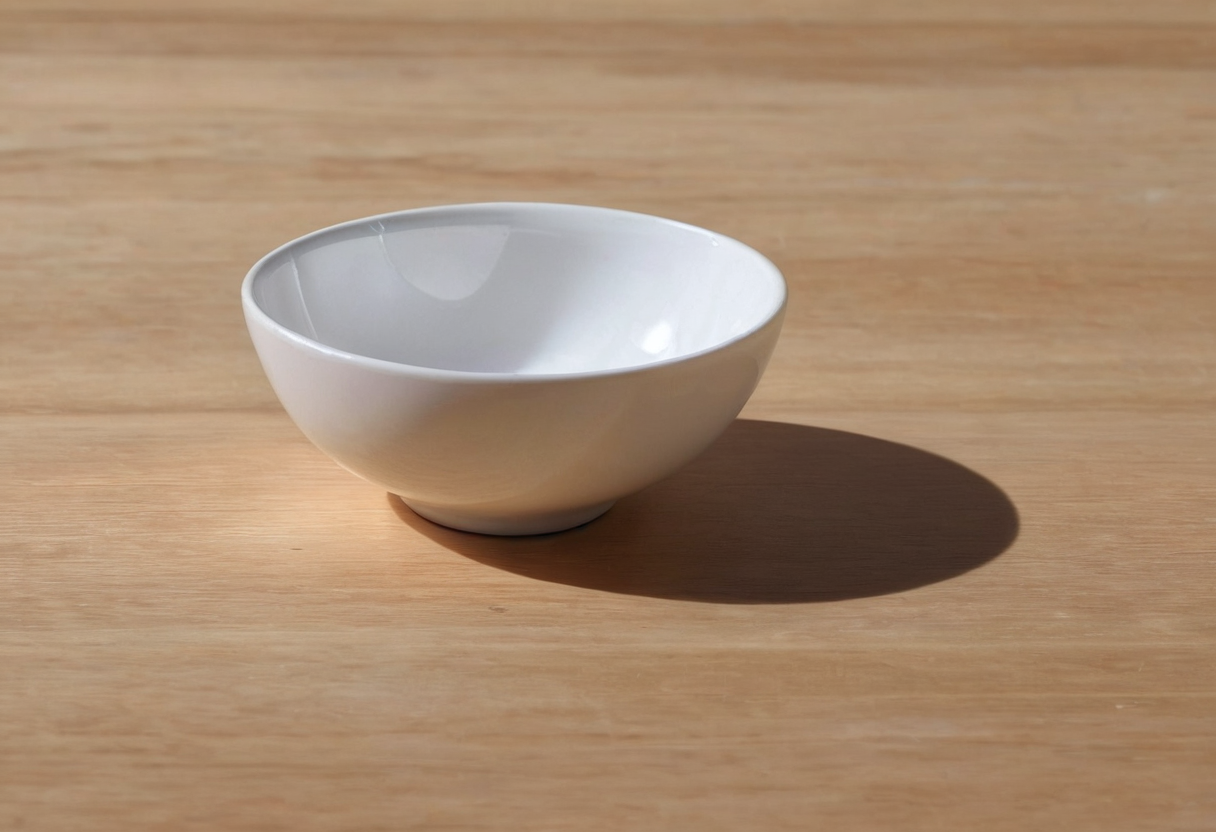
Small receptacles often appear on home tabletops to hold tokens or markers. Before selecting any household item for this purpose, it is useful to read its published specifications carefully. The IKEA UAE product page for item 402.829.98 identifies the object as an IKEA 365+ bowl or egg cup with rounded sides in white. The measurements section states a diameter of 5 cm, a height of 3 cm, and a package quantity of two. The page describes the item within a food-use and stackable dinnerware context.
Comparing Published Dimensions to Components
The published 5 cm diameter and 3 cm height are external product measurements, not the interior opening or depth. A piece under 5 cm is not thereby guaranteed to fit inside. Players can measure their own loose wooden discs, tiles, or other components to see whether those items physically fit within the actual interior space. This comparison requires no special tools, only a standard ruler and the components intended for sorting.
Height is another factor. At 3 cm tall externally, the interior depth will be less, so the sides may contain certain flat tokens but might not prevent taller pieces from resting above the rim. Whether a given component sits securely inside depends entirely on the shape and size of that specific piece. Every game produces different physical components, so individual checking is necessary.
Evaluating Table Space
Beyond the components themselves, the available table area dictates whether small bowls are practical. Two bowls per pack, each 5 cm across externally, occupy a defined amount of surface space. Players should consider where these items will sit relative to the main board, player mats, and other participants. Much like checking a box against available storage, our guide on shelf depth versus box storage illustrates why measuring the actual object against your intended space matters.
If a session spans multiple evenings, leaving sorted components undisturbed becomes important. Understanding the footprint of your sorting vessels helps when planning temporary storage away from the main table, a topic discussed further in our notes on preserving multi-session setups.
Steps for a Personal Check
Players can follow a simple process to decide if these dimensions work for their needs:
- Measure the widest loose component intended for the bowl and compare it against the actual interior opening rather than the 5 cm external diameter.
- Stack several typical components together to check if their combined height fits comfortably within the actual interior depth, which will be less than the 3 cm external height.
- Place two objects of similar size on the gaming table to verify they do not crowd the play area or interfere with other elements.
- Confirm that the rounded sides allow easy access for fingers retrieving small pieces.
This method relies solely on the published diameter, height, and package quantity of two. Reading the specifications provides a starting point, but the final decision rests on individual measurement and observation at the table.