When you acquire a new boxed analogue game, finding it a permanent spot on an existing bookcase or display unit requires more than a quick glance at the packaging. The first step is understanding what the manufacturer actually states about the box size, and why those figures are only the beginning of your planning.
Interpreting Publisher Dimensions
Manufacturers provide approximate measurements to give buyers a general idea of a product’s footprint. For instance, the official listing for LEGO item 5009372 describes the packaging as being over 22cm high, 15cm wide and 2cm deep. It is crucial to treat these as publisher approximate figures rather than exact box measurements. The listing uses approximate dimensions; the actual box is the relevant object for a shelf check.
Measuring Your Actual Box and Shelf
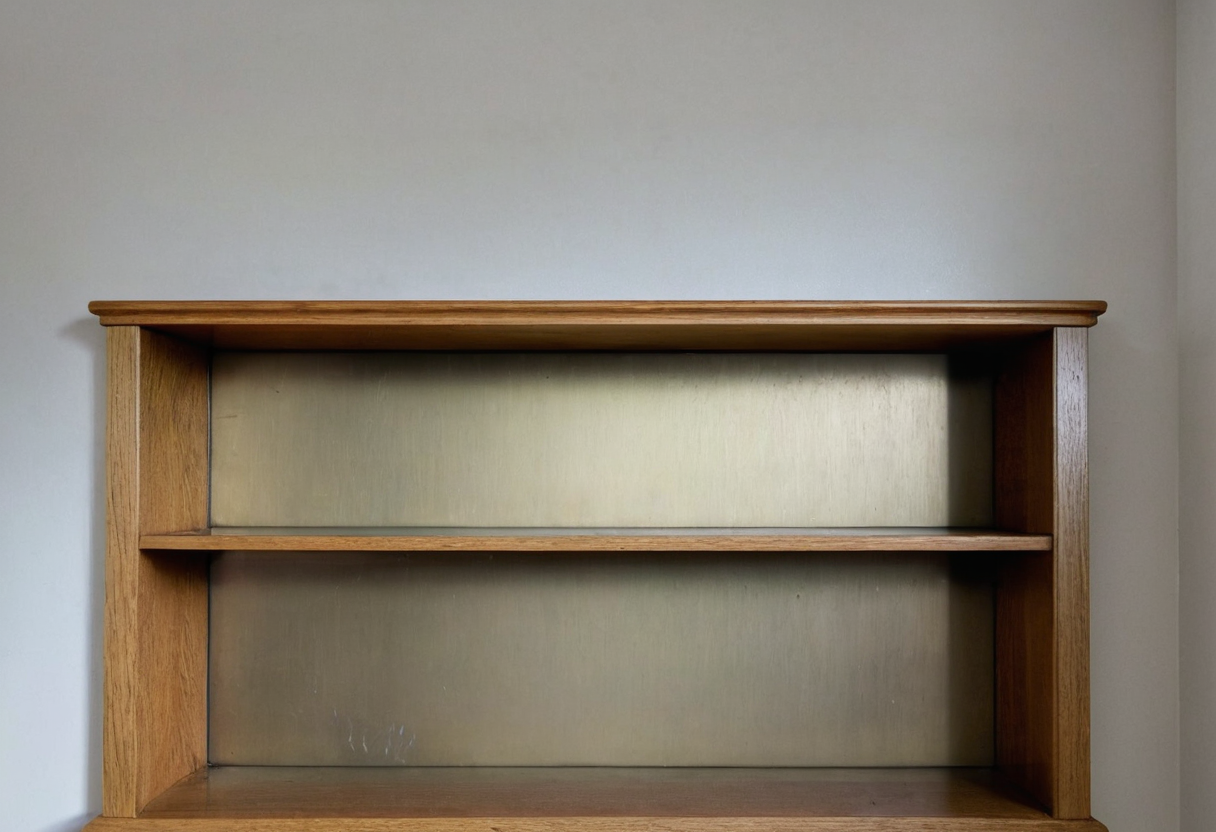
The most reliable approach is to measure your actual box and your chosen shelf opening with a tape measure. Check the internal depth of your shelf from the front lip to the back panel. Check height and width as well as depth for the particular position in which you intend to place the box.
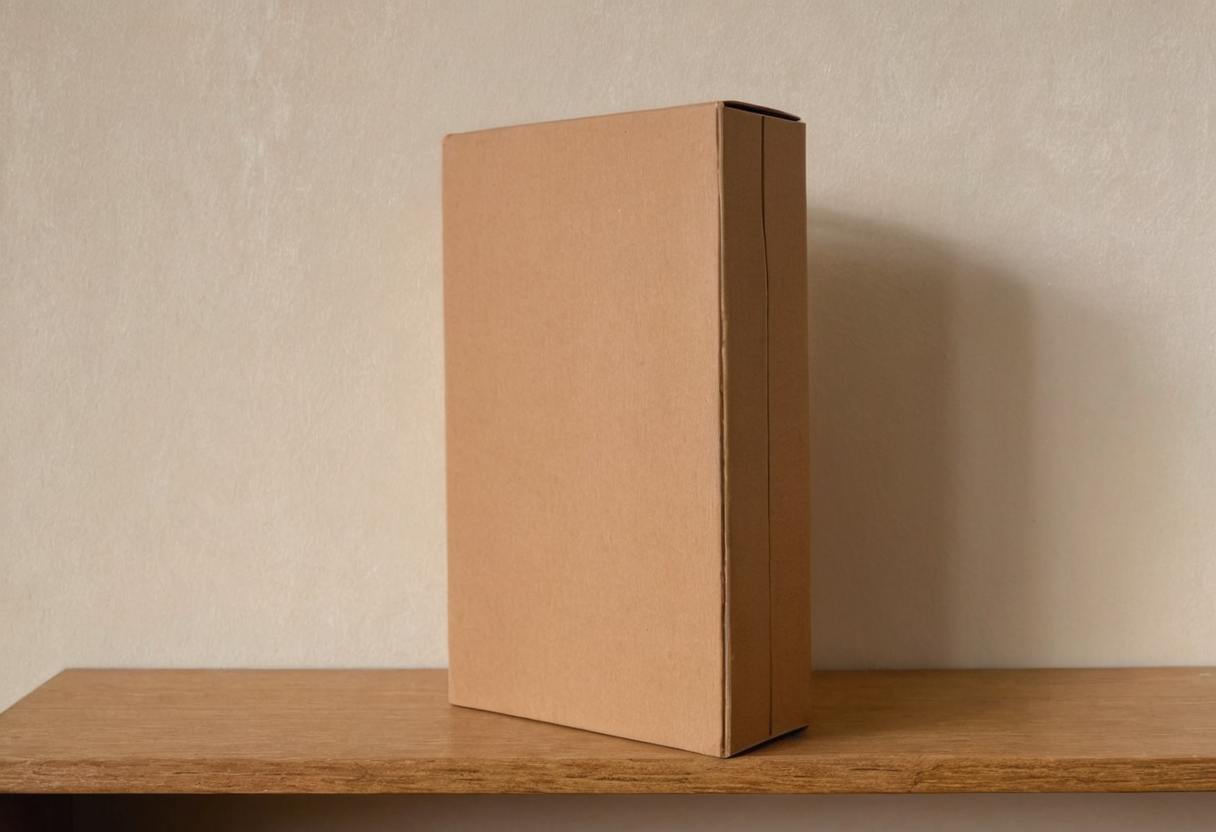
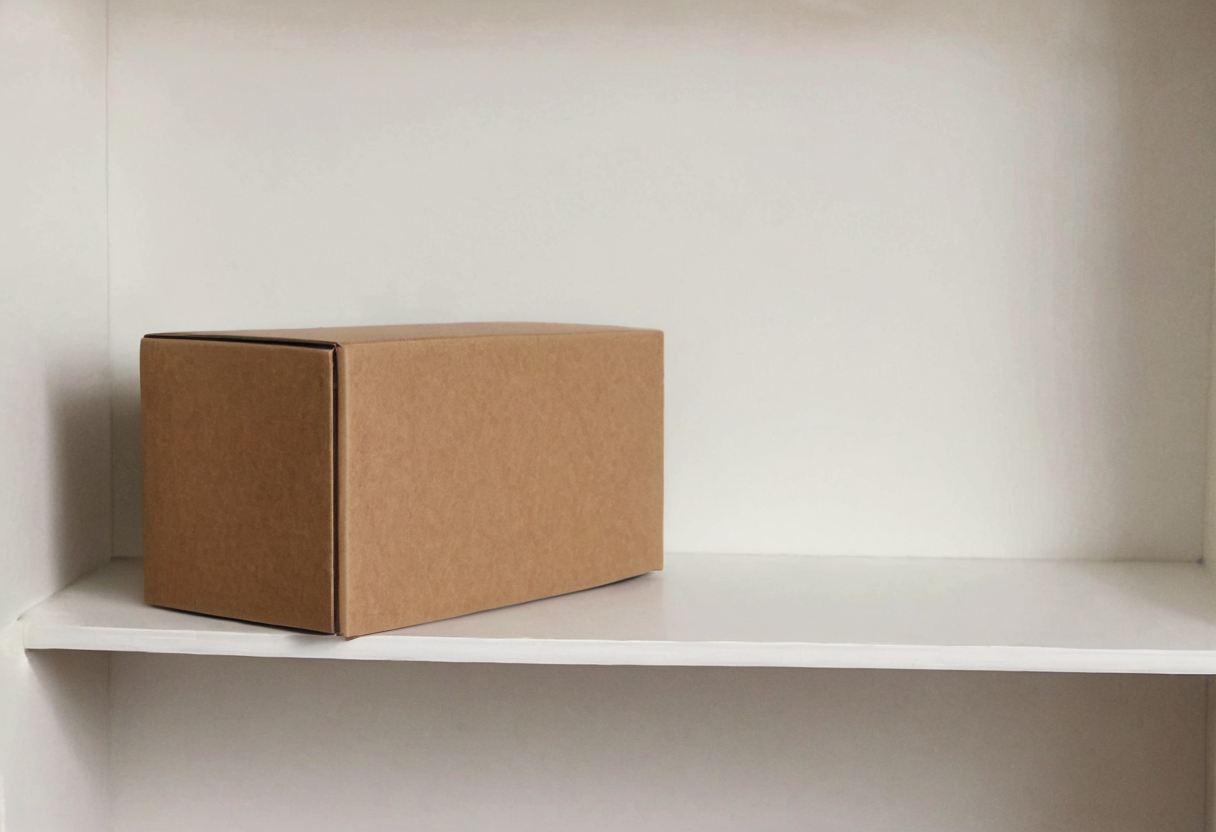
Consider how you wish to orientate the game. You might explore storing boxes flat or upright depending on the visual rhythm of your room. Which box dimension faces the shelf depth depends on how you turn the physical box; compare the actual width, height and depth in the chosen position with the measured opening.
Integrating Games into Existing Displays
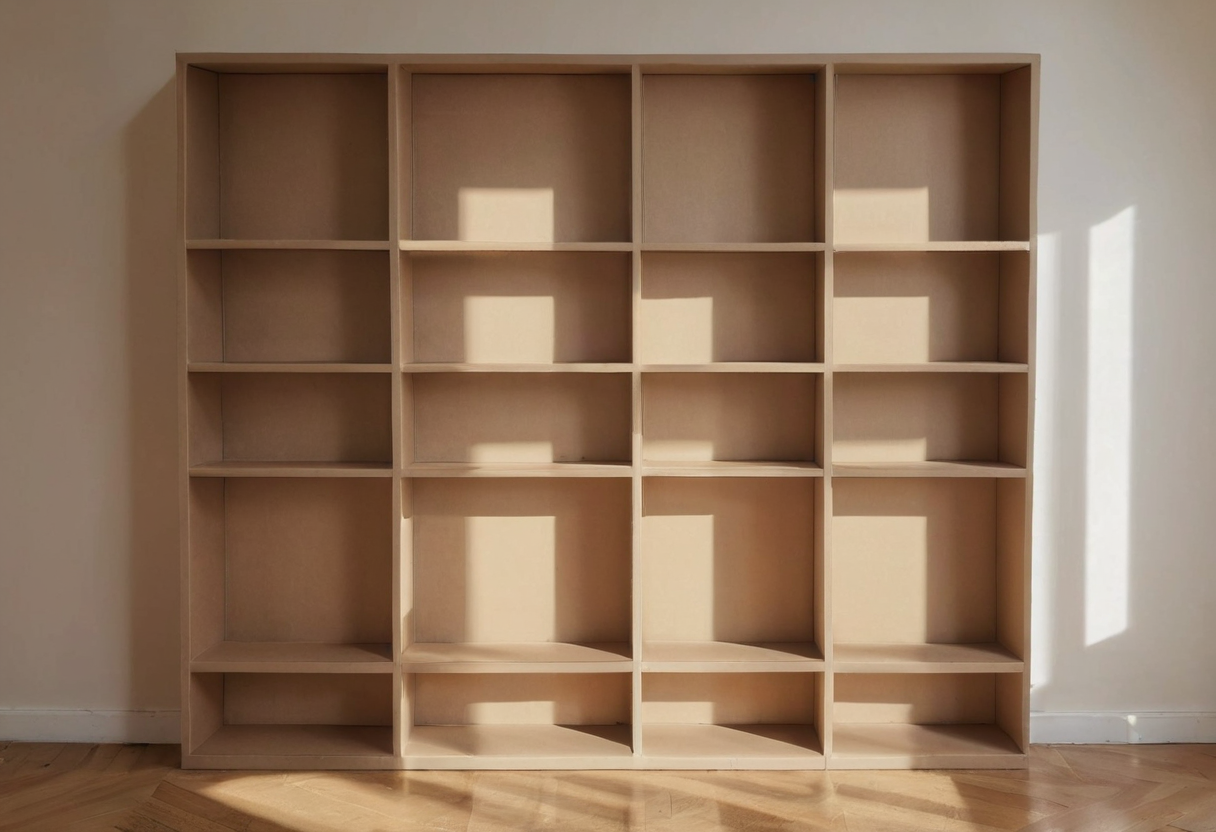
Look at the books and other objects already on the shelf. The remaining opening, rather than the published box figure alone, determines what can be placed there.
If you enjoy keeping small accessories nearby, you might place component sorting bowls on an adjacent shelf or within easy reach, and see how the bowls and box occupy the available shelf space.
Final Checks Before Placement
Before committing to a spot, perform a final check:
- Measure the actual box depth, width, and height with a ruler or tape measure.
- Measure the internal height, width, and depth of the specific shelf opening.
- Note books, boxes or other objects already on the shelf.
By treating publisher specifications as a helpful starting point rather than an absolute truth, compare the printed figures with your own measurements before choosing a shelf position.