Two States, One Piece of Polyurethane
When you bring a magnetic dice tray to the table, it exists in two distinct physical states. Gamegenic lists its rectangular magnetic dice tray with a flat size of 279 × 209 mm and a folded size of 223 × 159 mm. The material is noted as polyurethane. Understanding these two exterior measurements helps you plan where the item sits during play and where it goes afterwards.
The Folded State for Table Planning
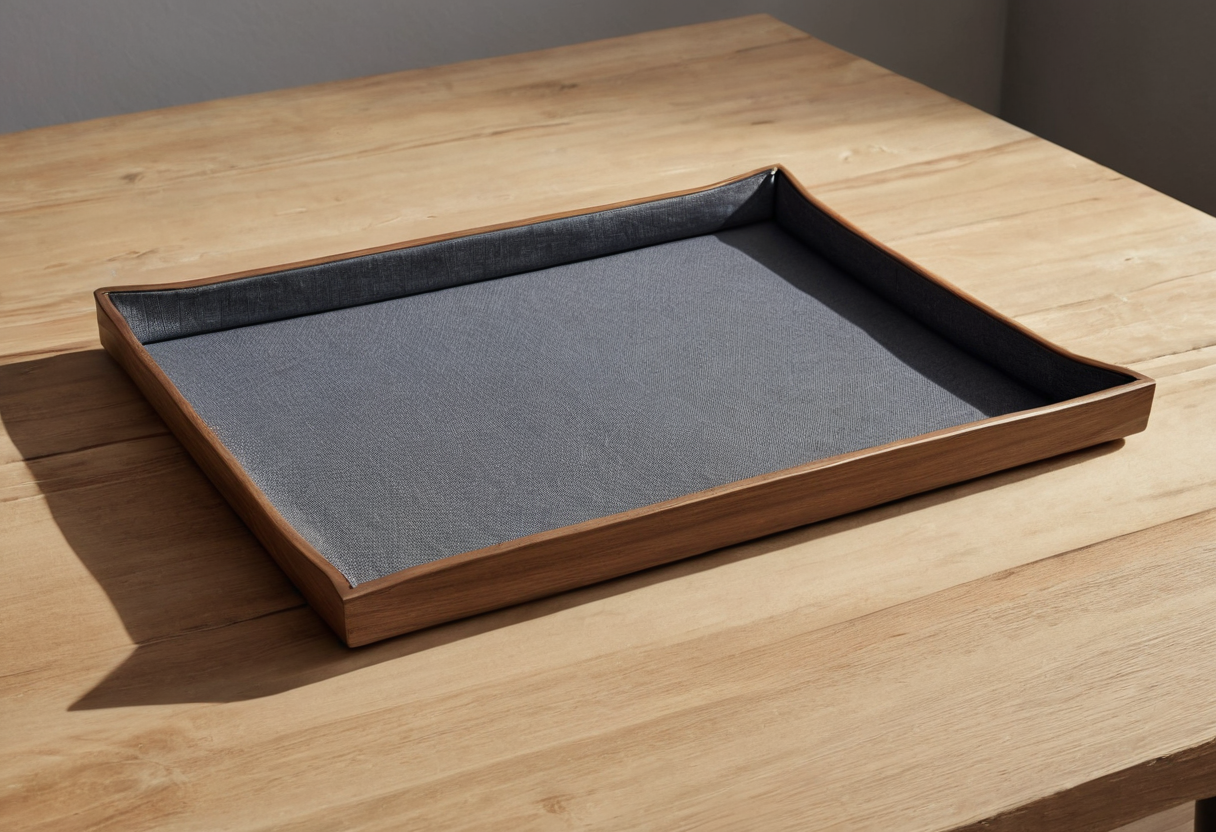
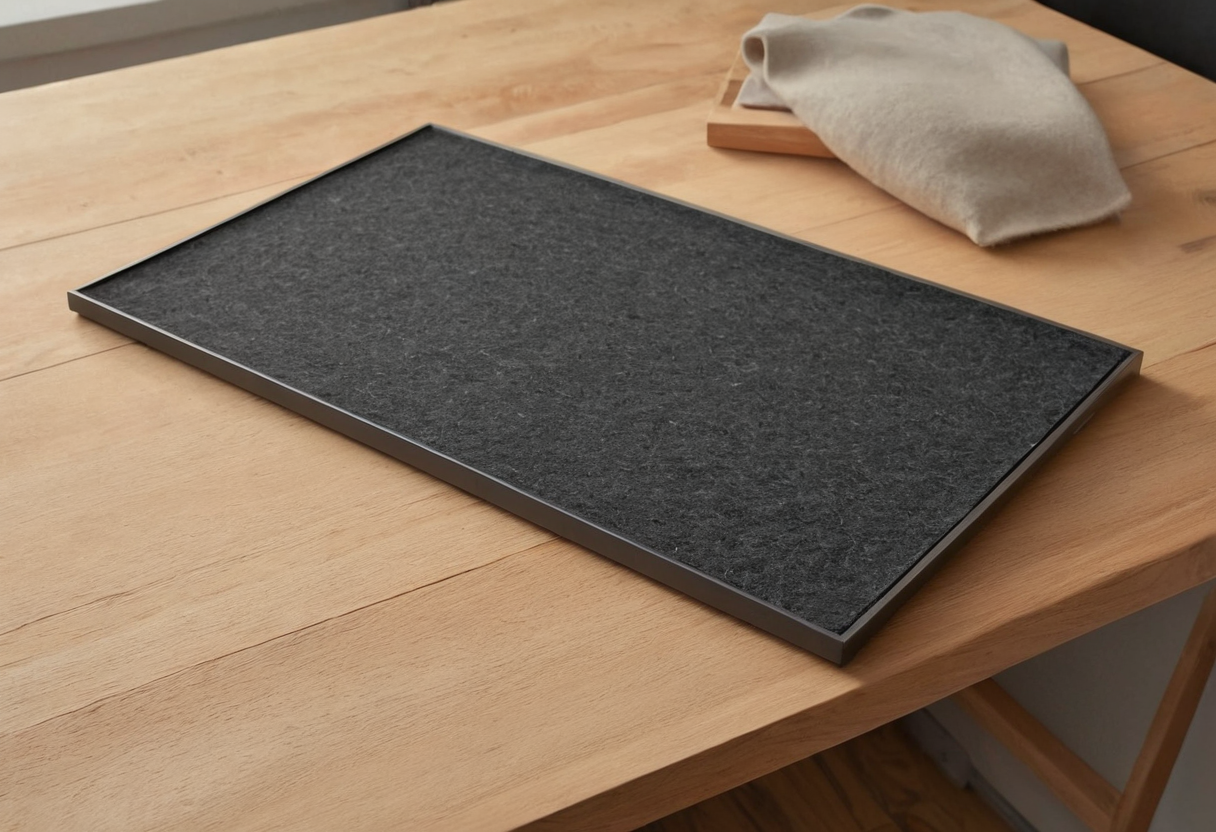
The folded dimensions of 223 × 159 mm represent the assembled tray used for rolling dice on the table. This is the footprint to allow for when clearing space on your playing surface. If your table is crowded with cards, boards, or loose-piece holding bowls, measuring out roughly twenty-two by sixteen centimetres allows you to plan where the assembled tray will sit during active play. Neither measurement describes the interior rolling area, which will naturally be smaller due to the thickness of the raised walls.
The Flat State for Storage
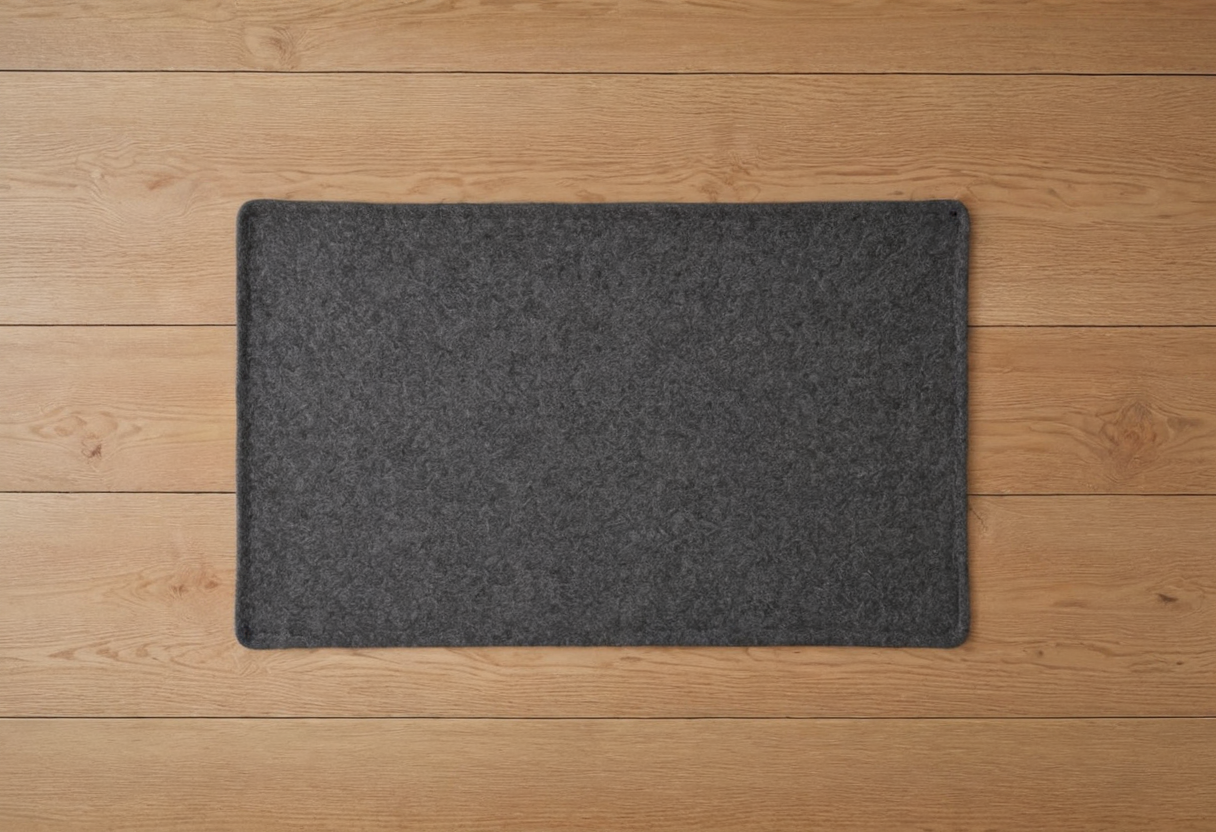
Before the edges snap together via the embedded magnets, the piece lies completely open at 279 × 209 mm. When packing away your evening’s set-up, perhaps alongside a compact game kit, this flat exterior determines whether the tray slides into a bag or shelf gap. The flat measurement describes the outer boundary, so compare it with the opening of the box or bag you plan to use.
Why the Dimensions Shift
The reduction from 279 × 209 mm down to 223 × 159 mm happens because the flat margins fold upward to create the retaining walls. The material bends at set points, drawing the outer edges inward and upward. This transformation changes both the length and the width of the overall footprint. The two measurements describe different stages of the same item.
Practical Measurement at Home
Rather than assuming compatibility with your current storage, take a ruler to your shelves and bags. Compare the 279 × 209 mm flat exterior against the internal clearance of your chosen container. Similarly, check your table against the 223 × 159 mm folded layout. These are published exterior states for planning purposes, not proof of fit in a particular box. The actual tray and your specific boxes must be checked physically to confirm they work together in your own space.